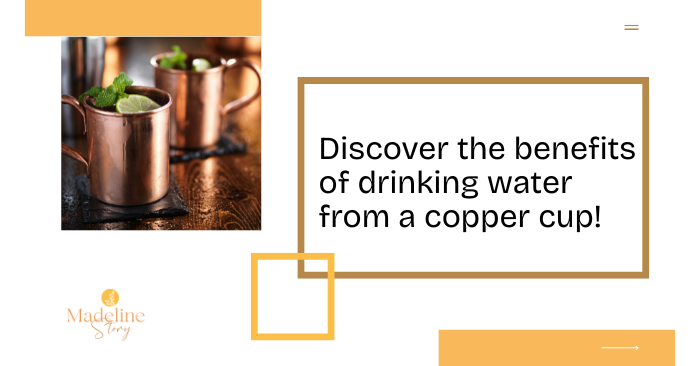
Drinking Water From a Copper Cup: Tradition, Evidence, and Mindful Wellness
(Evidence, Tradition, and Mindful Wellness)
I came across the practice of drinking water from a copper cup and glass bottles, which is another topic that interests me, while reading about simple wellness habits rooted in tradition. It caught my attention not because of bold promises, but because of how quiet and intentional it felt.
This practice comes from ancient traditions, particularly Ayurveda, where water stored in copper vessels—known as tamra jal—was believed to support balance and overall well-being. In recent years, it has resurfaced as more people look for gentle, mindful habits that support health without pressure or extremes.
So I wanted to ask the honest question:
What does tradition say, what does science actually support, and what does this mean in real life—especially for brain health and everyday wellness?
That’s what this article explores, without hype or misinformation.
What Is Copper and Why Does the Body Need It?
Copper is an essential trace mineral that the human body needs in small amounts. It plays a role in several important biological processes, including:
- Energy production
- Iron metabolism
- Formation of connective tissue
- Nervous system function
- Antioxidant defense
From a scientific perspective, copper is required for enzymes that help protect cells from oxidative stress and support normal brain and nerve function. Most of our copper intake comes from food, but very small amounts can also be absorbed through water stored in copper vessels.
The keyword here is small. Copper is beneficial in trace amounts, not in excess.
The Science Behind Copper-Infused Water
When water is stored in a copper cup for several hours, trace amounts of copper ions may leach into the water. Research has shown that copper has antimicrobial properties, meaning it can help reduce certain bacteria in water.
Scientific studies have demonstrated that copper surfaces can inactivate microbes such as E. coli and Salmonella. This is one reason copper has been studied in hospital environments and public health settings.
That said, it’s important to be clear:
Copper water does not replace modern water treatment or medical care.
It may offer a supportive benefit when used responsibly.
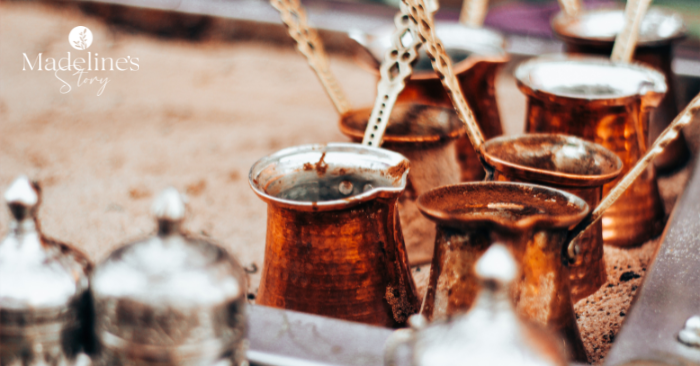
Potential Benefits of Drinking Water From a Copper Cup
1. Supports Brain and Nervous System Function
Copper is involved in the production of neurotransmitters and the maintenance of myelin, the protective sheath around nerves. Adequate copper levels support:
- Brain signaling
- Cognitive function
- Nervous system health
Some research suggests that copper imbalance—either too little or too much—can affect brain health. Using a copper cup occasionally, alongside a balanced diet, may help gently support healthy copper intake.
2. Antioxidant and Cellular Protection
Copper is a component of the enzyme superoxide dismutase (SOD), which helps neutralize free radicals. Oxidative stress is associated with aging and neurological decline.
By supporting antioxidant activity, copper plays a role in cellular protection, including cells in the brain.
3. Digestive and Metabolic Support
Traditional medicine has long associated copper water with digestive balance. Scientifically, copper contributes to:
- Enzyme activation
- Nutrient metabolism
- Iron absorption
Proper iron metabolism is important for oxygen delivery and energy levels, which also support brain function.
4. Antimicrobial Properties
Copper’s natural antimicrobial action may help reduce bacterial growth in stored water. Again, this is supportive, not a substitute for safe drinking water practices.
5. Encourages Mindful Hydration
One benefit that often gets overlooked is the habit itself.
Drinking from a copper cup encourages:
- Pausing
- Drinking slowly
- Being more aware of hydration
Mindful hydration can positively affect:
- Energy levels
- Focus
- Headaches
- Overall well-being
Sometimes, the ritual is part of the benefit.

What Science Does Not Support
It’s important to be responsible and clear.
There is no scientific evidence that copper water:
- Cures diseases
- Detoxifies organs
- Reverses neurological conditions
- Replaces medical treatment
Copper cups should be seen as a wellness practice, not a medical intervention.
Safety and Best Practices
If you choose to use a copper cup, here are safe guidelines:
- Use pure, food-grade copper
- Store water for 6–8 hours, not days
- Drink 1–2 cups per day, not all your water
- Clean occasionally with lemon and salt
- Avoid if you have copper metabolism disorders (such as Wilson’s disease)
As with many wellness practices, moderation matters.

Who May Benefit Most
This practice may appeal to:
- People interested in mindful wellness
- Those focusing on brain and nervous system health
- Caregivers seeking gentle, low-effort routines
- Individuals exploring traditional practices with modern awareness
Choosing a Copper Cup for Mindful Hydration
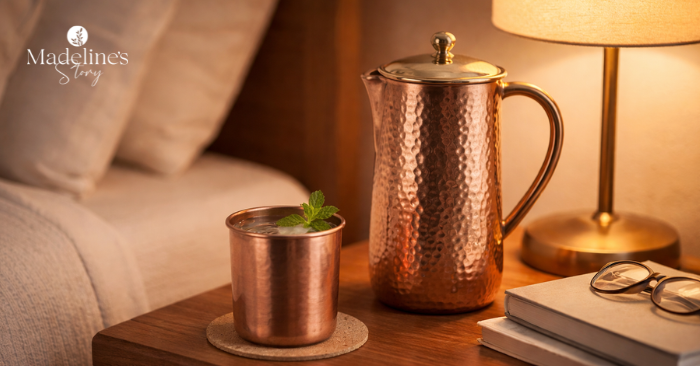
If you’re curious about trying this practice, the most important thing is choosing a pure, food-grade copper cup. Not all copper products are created equally; quality matters for both safety and long-term use.
When looking for a copper cup, I recommend paying attention to the following:
- Made from 100% pure copper
- Labeled as food-grade
- Simple, uncoated design (no interior lining)
- Easy to clean and maintain
- Well-reviewed by verified buyers
I’ve included a link to a well-reviewed copper cup on Amazon for those who prefer a trusted, accessible option to choose from Amazon which I consider trustworthy. (This article may contain affiliate links. If you choose to purchase through them, it helps support Madeline Story at no extra cost to you.)
Classic Copper Cups
- Moscow Mule Copper Mugs – Pure Copper, 16 oz – This one my very favorite choice, and can be a perfect gift! View on Amazon: https://amzn.to/4jwluSv
- Ayurvedic Copper Water Cup – 100% Pure Copper https://amzn.to/4qwIva9
Copper Cup Sets (Good for Caregivers & Families)
- Gift Set Pure Copper Hammered Mugs with Copper Straws & Wooden Coasters Set of 4 – PREMIUM QUALITY -16 Oz Copper Mug – 100% Handcrafted – A Gift Pack for your loved Ones. View on Amazon https://amzn.to/4bliO82
Premium / Gift-Style Options
- Moscow Mule Copper Mugs – Unique HANDCREFTED Gift Set of 2, Hammered by Artisan, 100% Pure Solid Copper Cups 16oz for Drinking Water & Cocktails, Includes 18 Pcs accessories & Special Opener – View on Amazon https://amzn.to/4sleETR
My Final Thoughts
Drinking water from a copper cup is a simple, intentional habit rooted in tradition and supported by limited but meaningful scientific evidence. It is not a cure or treatment, but it may support adequate intake of trace minerals, antimicrobial action, and mindful hydration.
The keyword here is small. Copper is beneficial in trace amounts, not in excess. That’s why drinking water from a copper cup should be done mindfully and in moderation, not all day or every day without guidance. The traditional practice usually involves storing water in a copper vessel overnight and drinking a small amount in the morning, allowing the water to absorb minimal copper ions. However, because everyone’s body chemistry is different—and excess copper can cause adverse effects—it’s important to approach this habit responsibly. Before starting, take a blood test to determine your current copper levels, and consult your doctor afterward to review the results. This ensures that using a copper cup supports your health rather than creating an imbalance, especially if you have existing conditions or take supplements that may already affect mineral levels.
When approached with balance, awareness, and purpose, this practice can become a small yet meaningful part of a calm, intentional lifestyle. Sometimes, wellness isn’t about adding more — it’s about choosing thoughtfully.


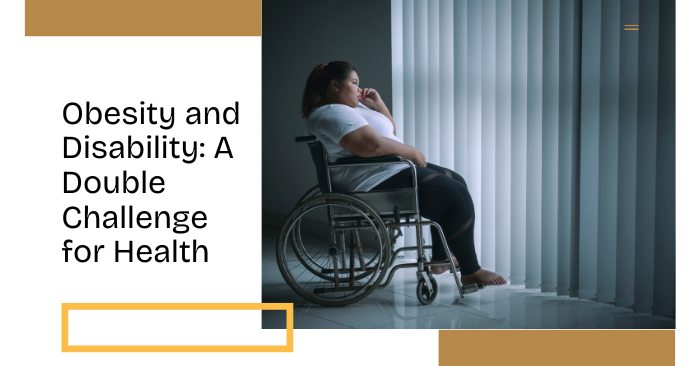
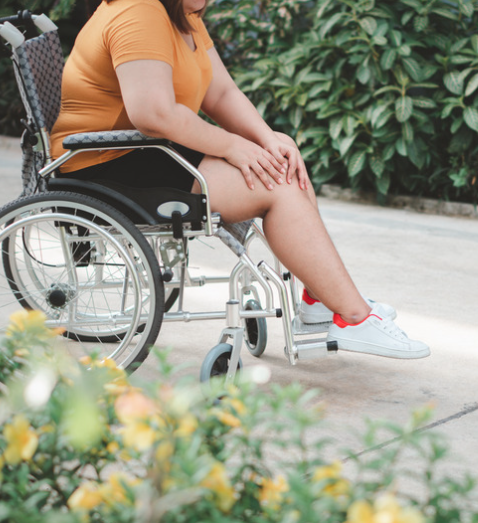
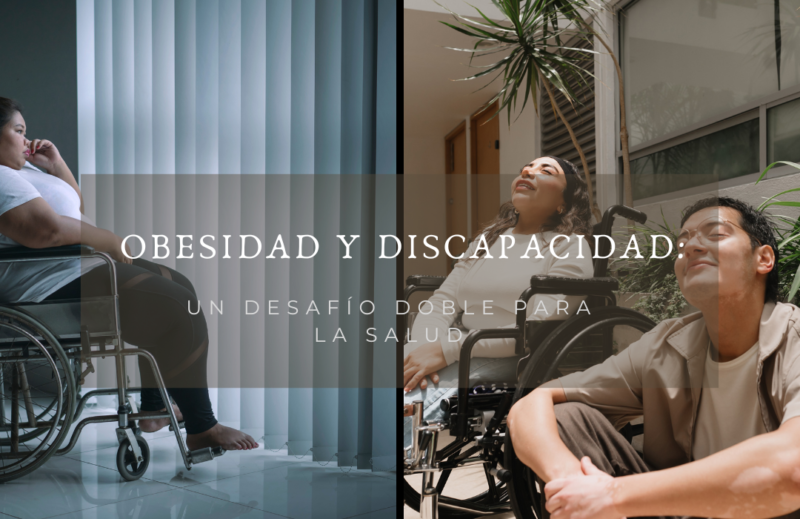 Por mucho tiempo, he querido hablar de la obesidad ya que es un problema de salud pública global que cada día empeora y afecta a millones de personas en todo el mundo. Sin embargo, existe un aspecto de esta condición que merece una atención especial: la obesidad en personas con discapacidades. Este grupo enfrenta desafíos únicos que pueden complicar aún más su situación de salud y bienestar de no solamente la persona con cualquier tipo de discapacidad sino también se afecta el cuidador.